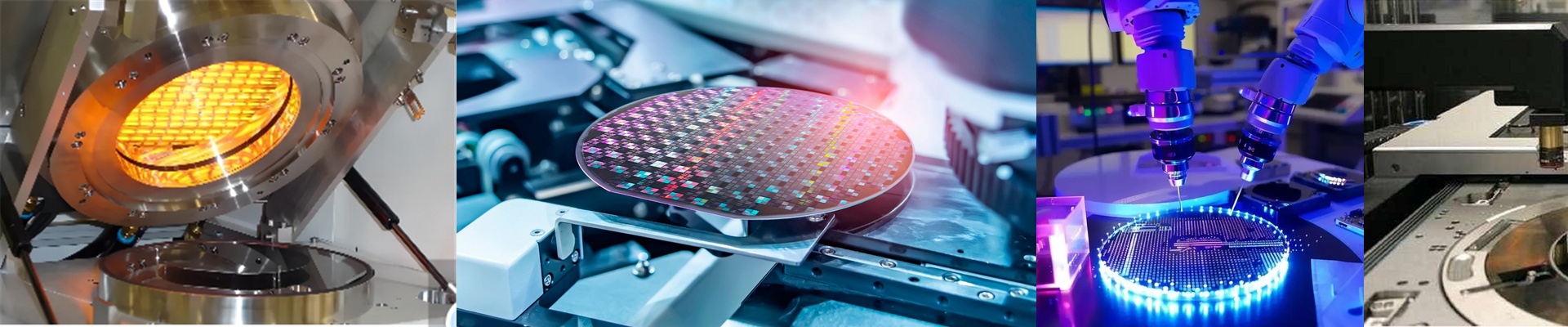


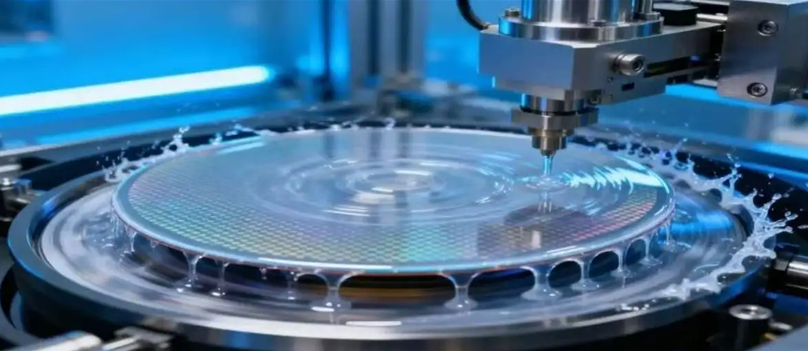
On the fab floor, the line never pauses. Lithography tracks, coat/bake modules, and cleaning cells all run in sync. When thermal systems drift—even by a hair—photoresist profiles shift, CD control slips, and yield takes a hit. Upgrading cleanroom equipment isn’t cosmetic. It’s a targeted intervention: restore thermal discipline, cut particle risk, and keep uptime intact. We built our upgrade around one clear goal—deliver performance that meets international semiconductor equipment standards, with a proven path for drop-in replacement. No guesswork. Traceability on paper. Engineering that’s practical.
What actually matters
The thermal core of any cleanroom upgrade has to satisfy two demands at once: repeatable process and tight contamination control. In practice, that means speccing heating technology, temperature performance, and materials with the same rigor as the original OEM modules. We use short-wave and medium-wave IR heating matched to how quartz and ceramic components respond, so ramp control is fast without overshoot. For photoresist bake—soft bake and hard bake—temperature uniformity across the wafer plane is the biggest lever on CD uniformity and sidewall profile. Our systems are engineered to hold wafer-level uniformity of ±0.1°C at bake setpoints, and keep that stability despite line voltage swings and load changes. Repeatability isn’t a slogan; it’s measurable. Across product lots, the same bake recipe has to deliver the same residual solvent profile and crosslink density. We spec control loops with calibration traceability, so results are consistent run-to-run, shift-to-shift. Cleanroom compatibility is non-negotiable. The upgrade can’t become a new particle source. We design for Class 1–100 operation with low-outgassing materials, smooth welds, and seals that hold up in solvent and acid environments. Steady-state particle generation is kept at zero, and the exhaust path is managed to prevent volatiles from recirculating and condensing on optics or wafer surfaces. Reliability shows up as uptime. In a 24/7 fab, unplanned thermal downtime is expensive. Our modules are validated for continuous operation with zero unplanned downtime over extended production windows, backed by predictive diagnostics that catch heater aging, sensor drift, and airflow shifts before they turn into excursions.
Why this plays in a real fab
Upgrading cleanroom equipment is about turning thermal precision into process control you can see. In the lithography bay, photoresist processing lives or dies on temperature history. Soft bake drives solvent evaporation; hard bake stabilizes the film before develop. If the bake module can’t hold uniformity, resist thickness spreads, exposure latitude shrinks, and defects climb. With ±0.1°C uniformity, you get tighter distributions across the wafer and across lots. That means fewer reworks, fewer excursions, and yield that stays steady. In coating and cleaning cells, the thermal system has to stay clean. Quartz components, high-purity ceramics, and controlled airflow keep particle counts flat. The payoff: fewer adders on the defect map and scrap rates you can plan around. Energy use is often overlooked, but it matters. Short-wave and medium-wave IR heats the target mass, not the whole frame. Compared with legacy convection ovens, energy draw drops meaningfully, and thermal mass is lower—so warm-up and recipe changeover are faster. Faster ramps mean less non-value time, and lower cooling loads translate to lower utility draw in the cleanroom. Then there’s the operational truth: downtime gets scheduled, not improvised. A validated upgrade path lets you swap aging heaters, controllers, and sensors during planned maintenance windows—keeping the mechanical envelope and modernizing the thermal stack. Same footprint. Restored spec.
What you need to know up front
Drop-in isn’t plug-and-play unless the interfaces are controlled. Expect to verify mechanical envelopes, mounting patterns, and service clearances. Power and signal connections must match the existing harnessing—or the harnessing needs to be updated at the same time. Many fabs standardize on specific connector families and cable lengths; aligning to those details prevents rework you didn’t budget for. Recipe compatibility is a joint validation step. Thermal ramp rates, overshoot limits, and soak times are tuned to the photoresist chemistry and the wafer stack. We provide calibration maps and recipe-transfer documentation so the process can be re-qualified with minimal disruption. One constraint is real: the thermal system has to respect the bay’s overall thermal budget. Higher performance can increase local heat load, which means HVAC balancing needs attention. Plan for airflow and exhaust re-verification after installation. Upgrading cleanroom equipment isn’t about chasing headlines. It’s about restoring thermal precision, protecting the cleanroom environment, and keeping the line running. When the upgrade meets international semiconductor equipment standards and comes with documented performance, it becomes a practical, risk-controlled way to extend fab life, stabilize yield, and reduce operating cost.